Tuesday, December 14, 2021

Why Is Ocean Survey Equipment Crucial For Hydrographic Surveying?

The marine environment is dynamic and needs accounting regularly for noticing the dynamics under the blue.

Ocean study is only possible using quality ocean survey equipment that measures waves and water motions and records sound traveling at the bottom of the seabed. The sum of the water movement system is very complex, moving in both the horizontal and vertical directions. Therefore, a range of marine products is available for seabed mapping that works perfectly well under extremely deep and shallow water.


Exploring The Seabed With Hydrography

With the advancement of technology, equipment like underwater camera rental contributes significantly towards delivering complete image and video capturing facilities underwater.


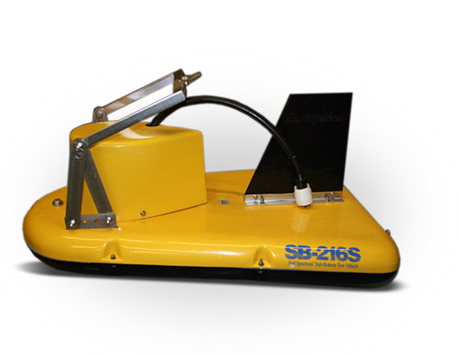
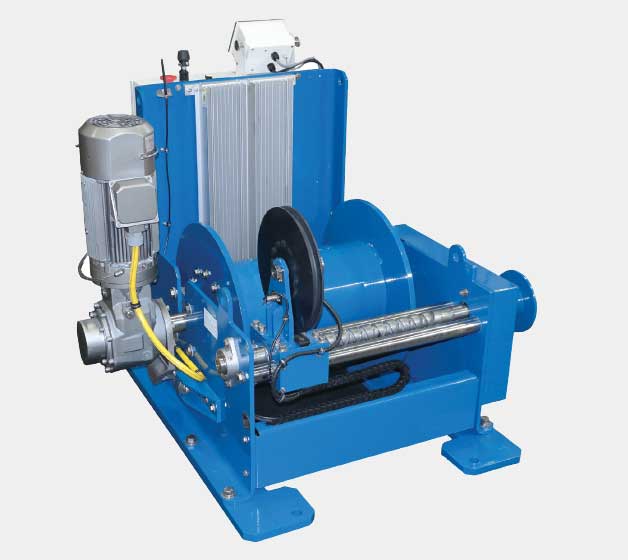
Also available are accessories like sound velocity sensors, mounting kits, cables, winches, gondolas, and INS systems for hydrography.

What Are Hydrography And Hydrographic Surveying?

Hydrography is the branch of science dealing with measuring and describing water bodies' physical features and their coastal land areas.

Hydrographic surveying is the science related to measuring and describing the features of seabed that crucially affect:- 

  • Maritime navigation

  • Oil exploration and drilling

  • Pipeline damage assessment

  • Marine construction

  • Port and harbor maintenance (dredging)

  • Coastal zone management

  • Offshore resource development

  • Coastal engineering and many other related disciplines


Using ocean survey equipment like sophisticated computer systems and different instruments for collecting data, hydrographic surveyors analyze the collected data complexity.


Hydrographic surveying accuracy is mainly dependent on factors like quality of sound installation, quality of personnel operating the equipment, and their ability to analyze the data collected.

Hydrographic Surveys Instruments

As hydrographic surveys are very complex, there is a need to use advanced technologies and valuable devices.


Modern surveys utilize various software and equipment installed on inflatable craft such as zodiacs, small craft, Autonomous underwater verticals (AUVs), Unmanned underwater vehicles (UUV's), large ships, Sidescan, single beam, and multibeam equipment.


How To Find The Lost But Valuable Underwater Equipment?

An acoustic release is a device used for tracing and recovering valuable underwater equipment. The release is attached to the anchor of a buoyant instrument and stays there until it is commanded to be released underwater.

How Do Acoustic Releases Work?

An acoustic release can receive and transmit signals to a surface instrument utilizing battery power. Lasting for at least a year or two, acoustic releases are used in shallow water or deep water and for large, heavy loads or smaller instruments. This instrument has particular use in the deep areas where divers cannot recover the underwater instrument.


A shipboard transmitter releases a short ping at a specific frequency to locate the acoustic release. The release responds to the transmitter, indicating the distance from the ship it is located and where it is still operating.


When the equipment is ready to be recovered, the transmitter first finds out the cost of the release location and then sends out a particular coded signal which commands it to release. Once the acoustic release goes off the anchor, it helps the instrument float onto the sea surface to be recovered.

Features Of A Typical Acoustic Release Device

  • Individually addressable

  • Lightweight and compact

  • Efficient pressure neutral mechanism

  • Durable construction for short-term and long-term deployments

  • Equipped with a positive drive off release mechanism

  • High tensile strength

  • Mooring safety (Corrosion resistance, secure command coding, and unraveled operating life)

Check For The Best Fit Of Acoustic Release

Acoustic releases are designed to handle a specific maximum load, and they can have a minimum load rating so that the mechanism operates reliably.



Wednesday, November 17, 2021

Want Offshore Rental Equipment? Use These Tricks to Get the Best Suppliers.

For ocean and marine surveys, a lot of equipment is needed. Some of the instruments are purchased directly since they are used intensively. But the components which need to be used only once or for a few days need not be bought. Not only are they high-priced, but also buying them will block the offshore deck spaces. This is why most research and survey companies look for offshore rental equipment pieces. 

offshore rental equipment


Sourcing From The Best Supplier Matters A Lot

Once decided which equipment to hire, the main problem is to choose the best supplier. If the components are not high quality or instruments are not appropriately calibrated, massive data deviations will occur. 

Sourcing from an experienced equipment supplier is always advisable as big players know what equipment would be needed for which research. 

Conducting online research for the best suppliers for oceanographic instruments is the safest bet, as you can check their reviews to know more about them. 

Check The Types Of Equipment Being Offered

Different dealers will have different types of ocean survey equipment. For example, if dealer A has acoustic instruments, dealer B doesn't need to have similar pieces of equipment. Thus, it would help to filter them out based on the equipment units required for your surveys and research works. This will solve most of your problems. 

Please make sure the equipment supplier you choose has the equipment as a part of their fleet so that the equipment is readily available whenever you require it. If the company has to arrange the gear for you from another party, it will add to your rental cost and time lag. 

Also, you can check if the company's equipment and tools are efficient and well maintained or not if it owns them. 

Go Through The Rental Terms And Conditions

The ocean survey equipment units are heavy, colossal, and very complex. They are manufactured from heavy-duty materials and work in a highly complex manner. That's why most rental dealers make sure to provide terms and conditions. For example, you must check whether the chosen supplier will charge any compensation fee if an instrument gets damaged due to weather conditions.

Please ensure that the equipment to be rented is in good visual condition. Also, these should be able to perform all functionalities. Don't hesitate to inquire about the maintenance frequency by the equipment supplier on their equipment.

Make Sure To Rent Only The Components Needed

Many surveyors and researchers usually rent a long list of equipment units. However, they only use half of the instruments. However, the payment is to be made for the entire collection. Therefore, make sure to get only those marine scientific equipment types that will help you in research and studies. 

Price Is An Essential Factor To Consider

The marine survey equipment units are never cheap to rent or purchase. They cost over a hundred dollars which is why you must look for a dealer charging at a standard rate. For example, a winch usually costs around $150. But if your chosen supplier has marked it for $250, you will have to pay the extra $100 without any reason. Even though affordability is an essential factor to consider, you shouldn't compromise with the instruments' quality and performance. 

Reach out to the specialist supplier 

A reliable equipment rental company works closely with your project requirements. It can guide you with the equipment types to rent to complete the research within the stipulated period. After evaluating your needs, it supplies you with the exact piece of equipment. 


marine scientific equipment


Tuesday, May 4, 2021

Master the Seas with Elegance, Joy and Efficiency: Using an Umbilical Winch to Find Your Bliss on an Ocean Deployment

 Finishing an offshore deployment project may not be the easiest. An umbilical winch is one tool which you can use to make your process go smoothly. Furthermore, with the right winch, you can get your investments back and then some. Winches work as a sort of conduit between your boat and the equipment you must necessarily put in the ocean. For example, let’s say you are trying to collect rocks from the bottom of the ocean in order to test out the chemical balance and pH of them. If you want to put any machinery, particularly the advanced, high-tech machines you need to actually collect samples and data, you will need an equally powerful machine in order to move them around and bring them back up to the surface. In the case that you are spending your hard-earned money on sexy equipment, then you do not want to let those dollars go to waste underwater.

If you have marine rental equipment you care about, get retrieval equipment you care equally about! 

In actuality, there are a ton of different options you could go for in terms of ocean deployment and getting your needs met. But not every option is going to be right for every single user. Every business has its own unique strengths and weaknesses, and every business has different areas where it can learn and grow. When it comes to rental equipment for marine purposes, you might want to forge a partnership with a company that keeps your best interests in mind. Going for a company with a real track record in the industry, as well as a reputation for customer relations that puts them in good standing, can up your chances of getting out of your deployment with everything you hoped for. 

Get an Ultra Short Baseline That Can Stand Up to the Ocean Currents: Tips

Another sort of equipment you may want to invest in: an ultra short baseline positioning system that can get you all of the sorts of data and samples you want to get from the ocean. The short baseline system has a component onboard as well as a component underwater. Let’s say you are looking to do seafloor collections with the help of an ROV (Roving Ocean floor Vehicle). Then if you want to get through your collection of biologically natural materials, you are going to need the right short baseline positioning system to be able to tell exactly where it is in relation to your boat. Thankfully, alongside other marine rental equipment, you can find some solutions for baseline positioning systems from the best suppliers of marine equipment.

The ocean currents are strong and unpredictable – get some equipment that can stand up to them!

If you are looking for equipment that can stand up to whatever the seas and ocean may throw at you, then you can’t go wrong with a set of equipment from a supplier who has supplied successful deployments in the past. Furthermore, if you are using a winch to pull your equipment back up from the sea floor, then you want to get something delicate that won’t hurt the equipment you invested so much time and energy into. Check out some of the options online by Googling “Ocean rental equipment high rated,” or related terms!


Friday, February 12, 2021

Offshore Rental Equipment: Know Your Needs and the Need to Knows

 If you are someone who has a personal or professional interest in the seas, offshore rental equipment can help you get the high grade equipment you need when you need it. Let’s say you are trying to organize a deployment to study currents in the ocean and their effects on algae in offshore waters – you will need high quality equipment if you want to get your project off the ground. In another case, you may be trying to find oil and fuel to collect in order to sell oil and fuel to your business partners. You can’t search for the sorts of chemical compounds found in fuel unless you have solid scientific equipment that can give you eyes and ears underwater. You need tools like an ultra short baseline or an acoustic doppler current profiler if you are to get a good understanding and grasp of what’s going on in the water below you, with up-to-the-minute updates and responsiveness.

If you are renting equipment for offshore deployment, make sure you have a really solid sense of where you are going to be and what your team will be doing. 


If you know your needs before going in to rent equipment, you will be in a much better position to knock your rental mission out of the park. Let’s say that you have a team of really skilled marine scientists, but you don’t have any equipment. In that case, you will need to carve out a budget, fill in the needs of your project (if you are going to search for oil on the ocean floor, you will need an ultra short baseline, an umbilical winch, chemical reading equipment, and drills for example) and then decide your schedule. If you have a budget already but no real time so to speak of, you will need to balance your budget between hiring contracted experts in the field and renting the right equipment for the job. 


Lift Up Your Marine Rental Equipment in a Pinch: the Beauties and Benefits of an Umbilical Winch

If you are going to the trouble to buy or rent underwater equipment, an umbilical winch will be essential, near life-saving tool for recovering your equipment from the oceans. When you are using extremely expensive equipment for searching and analyzing the contents of the ocean (particularly if you are renting this equipment!) you will most definitely want to have a way to recover all of the complicated machinery you are dropping into the oceans. Thankfully, if you are investing in any rental equipment for onshore or offshore deployment, there are also pieces of equipment that specialize in retrieving the items that you are submerging. 


Having high quality marine science equipment is key to any deployment, especially ones in unfamiliar offshore waters!


If you are going to an area with high amounts of waves and storms, you definitely need to know what’s going on in the surrounding environment. Thankfully, an acoustic doppler current profiler can help you see currents underwater. The mechanism uses acoustic waves to measure the distance between a current of water and your ship using the Doppler Effect as a principle. Depending on if the sound bounces back louder or quieter, the machine knows if the current is traveling towards your boat or away from it, and at what velocity.

Friday, January 15, 2021

Loving Your Position in the Constantly Shifting Ocean with an Acoustic Doppler Current Profiler


An acoustic doppler current profiler performs an important task, of ascertaining the nature of the underwater environment in relation to the above-water boat and team. However, the current profiler works slightly differently – bouncing acoustic waves off of cylinders of water to gauge response time. The resulting signal can model how fast the currents are traveling underwater. You can have all of the ambition and the drive in the world, but if you don’t have a good plan or a good set of ocean equipment to work with, then you are going to be no better off than if you go out to sea empty-handed. To combat any of these issues, be sure to grab some high-grade ocean equipment. 

Whether it be test and evaluation, installation, background research or even up-to-the-moment response, high quality ocean equipment can help you find success on the seas. 


With the help of an expert, who, among other things, knows how to use ocean equipment like the acoustic current radar or an ultra short baseline, you can lay cables, check on the status of existing cables, and in general monitor your slice of the ocean with more pinpoint accuracy. Whether you need to know the depth of the waters you’re monitoring, or if you just need to know if there are going to be heavy waves the day you choose to conduct your test or installation, an ocean equipment rental service can help you out immensely.


Know Just How Far You Are to the Bottom: Mastering the Ultra Short Baseline

An ultra short baseline is a piece of technology used to monitor how far your position is to the bottom of the ocean. Working your ocean survey equipment is a basic fundamental of making an underwater engineering expedition. To do so, a team needs to utilize a multi-step setup to get the chance of receiving sonar feedback. First, the team needs to fasten a transponder on the end of a pole at the bottom of the team’s ship. Second, the team needs a roving underwater vehicle (ROV) or some other remote-controlled apparatus that can either move or position itself onto the bottom of the sea floor. Finally, to connect the two you need working acoustic signaling, in order to send out signals and bounce them off of your transponder. 


With a full host of equipment, you can successfully monitor the movement of the waters in the surrounding area, as well as the depth of the waters you are attempting to lay or repair cables in.


It’s the new year, and now is the perfect time to strike while the iron’s hot and learn new skills you can use in the upcoming year. If you are working your machines and getting the most out of your ocean survey equipment, then more power to you and all of your endeavors. However, chances are you may be encountering some difficulties, especially if you are not completely versed in all of the technical nuances of ocean monitoring devices. Being able to keep a monitor of all of the currents and movement patterns of water in the surrounding vicinity of your boat is an absolute necessity when it comes to conducting a successful ocean engineering operation.

Thursday, December 5, 2019

How Do You Choose Underwater Tracking Systems?

When it is time to use underwater tracking systems for your survey, you need to choose the system that has enough power for your survey. You can work with the rental company that offers these devices or you could order a custom system that will make your survey simpler. Read more to learn about how these systems work if you should rent them, and how the rental company will work with you. You can save money on your survey budget, and you might prefer to study these systems before you get to the boat.


How Do You Use Underwater Tracking Systems?


The underwater tracking systems that you use for your surveys will tell you where your ROV is or where your sensors are. You may need to track the path of your sensors or ROV so that you know how far you have gone. You can produce maps that show where you were, and you can even move your topside unit to reach an ROV or sensor that has drifted away.

When you are using these systems, they typically connect to the devices you have in the water via the data cable that is attached to your winch. Most surveyors need these tracking statistics because they will spend several days at sea. You can review your map when you start a new day of surveys, and you will not waste your time surveying the same areas over and over.

Can You Rent Underwater Camera Systems?


The underwater camera that you use for your expedition allows you to take pictures or record video under the water. These systems are very easy to use, and they are typically rented with lights that will work at low depths. You need a certain amount of power to take pictures or video at low depths, and that is why you should talk to the rental company about the expedition you have planned.

Plus, you can use your tracking system to compare locations with the videos that you have taken. This is an easy way for you to know what you are looking at, and you can return to certain areas when you need to. You can rent the underwater camera system with the lights you need, and you should get a tracking system that will help you keep up with your equipment.

Can You Rent An ROV For Your Survey?


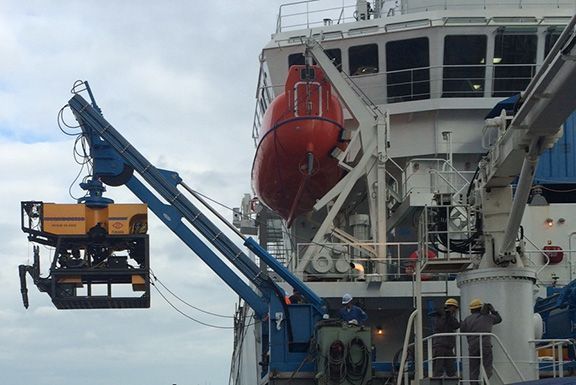
You can rent an ROV for your survey that will work with your underwater tracking systems and cameras. You can hook the cameras to the ROV, and you can attach the tracking system to the ROV. These ROVs will go as low as 6000 meters, and they will help you survey any area that you like. You can track your ROV when you put it in the water, and you can determine where you have taken certain pictures because the cameras are attached to the ROV.

Plus, you can use a remote control on the boat to power and move your ROV. One person can be responsible for the ROV’s movements, and another can swivel the camera so that you can see everything in the area.


One More Thing About Underwater Tracking Systems


You can rent underwater camera systems, get the ROV you need, rent your sensors, and start your survey. You can line up the position of your sensors or ROV with the pictures you get from your cameras, and you can use the tracking system to ensure you are not surveying the same spot over and over. Work with the rental company to ensure that you have the proper equipment. They will bring it to you and retrieve your equipment after the survey.

Tuesday, November 12, 2019

How Do You Get Your Ocean Survey Equipment?

When it is time to order your ocean survey equipment, you can work with a rental company that operates on the shore. You do not need to order all your gear from some far-off company that you have never heard of. Plus, you can get custom recommendations from the equipment maker when you are preparing your boat. Contact the equipment designer that is close to your docks so that you can talk about the equipment you need to be successful.

There Are Standard Devices

You can get the standard devices that range from a CTD array to an ROV and an acoustic Doppler current profiler. You can get cameras and lights to attach to the ROV, and you can get a winch that will haul everything to and from the ship. Plus, you can get a data cable that will work with the winch to transmit information from your sensors or ROV back to the topside unit. You will get real-time information on the survey that you are doing, and you can determine the course of the survey if you already have this information.

You Can Order Custom Equipment

You can order custom equipment if you have specific needs that cannot be met with traditional gear. You know the limits of gear you have used in the past, and you can send your specifications to the equipment designer. Your gear will be made in time for your next survey, and you can use these devices as often as you need. Custom equipment is a very important part of many surveys, but it is not a requirement. You simply need to talk to the designer about how they can help you.

Installation Happens At The Docks

When you have ordered a winch or other accessories for the boat, those items can be installed on your boat when your survey is about to begin. This is the best way for you to get ready for the trip because you may not have enough people to complete these installations. Plus, the company that you have bought from offers rentals. If you are done with rental equipment, you can return that rental to the manufacturer as soon as you get back. They will come pick it up from your boat.

USL And CTD Arrays

You can get a standard CTD array built for your survey that will use several different sensors to give you information about the water, the current, and even the temperature. You can measure depth and pressure using these sensors, and they can be installed in seconds. If you are ordering a custom device, you might get a USL array that is very compact. You do not need to worry about interference when you are using USL technology, and you can get accurate measurements in any part of the ocean. USL arrays are favored by researchers who want to add as many sensors as they can. You are determined to get accurate measurements throughout your survey, but you cannot do that if you are not using the right gear. Ask the equipment builder if they have a recommendation for your survey.

A Final Note

When you are setting up for your survey, make sure that you have worked with a company on the docks that can provide you with all the gear you need. The company should deliver all here items to your boat, and they will take back any rentals when your trip is over. You can order custom gear at any time, and you can rent something that is very common. You are able to save money, save time, and get your research done effectively.

Friday, October 4, 2019

Can You Rent Your Scientific Survey Equipment?

You can rent your scientific survey equipment instead of buying everything for a high price. Many surveys have a low budget, and you need to do everything you can to fit all this gear, not your current budget. Read below to learn how to choose the right gear, how to find gear that will work best for you, and you need to remember that there is a lot of gear out there that you might like to try. You must also remember that there are some times when you can order a custom rental.

Where Do You Find A Survey Equipment Rental Service?


You can get a Survey Equipment Rental at any time when you are close to the water and working with a company that builds, sells, and rents this gear every day. These companies have a large staff, and they have many items that are up for sale. Along with the items that are on sale, the company can rent older items to you that were used in the past. All these devices are calibrated and ready for you to use, and you can save a lot of money by renting.


What Are You Renting?


The scientific research equipment that you rent will include sensors, releases, and ROVs. You can rent cameras and lights, winches, ROVs, and sensors. You have to remember that there are many items you should take on the water, and you should bring extras in case you have a problem while you are on the water. You can rent the winch that will drop everything in the water, and you can rent a data cable that will send information back to the boat. You also need a CTD array, cameras, and lights.

You can take accurate measurements underwater, and you can get a live video feed that shows you what is underwater. You also get lights that are rated for the depths that you plan to go. Because the ROV can go down to 6000 meters, you need very strong lights that will show you precisely what is at that depth. You can also use special sensors that will help you track the path of an ROV so that you can build a map.

Can You Have Rentals Installed?


A rental winch can be installed on your boat, and it will be removed when the survey is over. You do not need to worry about installing these large items on your own, and you can get the rental company to take them all away when the survey is over. This is one of the best parts of renting. You do all the work you need to do on your project, but you do not need to lug all this gear back to the shop.

Can You Rent Custom Devices?


There are many custom devices that have been left behind by other survey missions, and you can rent those items for your trip. You do not need to spend too much money on your gear when you can rent a very nice custom item for less money. You also need to ask the company if they can build something that they can rent to you over the course of several surveys until you have paid it off.

A Final Thought


Your next survey should be managed using the gear that is described above. You can rent everything that you need, and you do not need to overspend. Your survey does not need to cost too much money, and you can even have your rentals installed for you. Let the rental company do all the work to pull together the gear required for a new survey.

Thursday, September 5, 2019

How Can Oceanographic Rental Equipment Help Your Survey?

You can rent all the equipment for an oceanographic survey, and you must ensure that you have taken a look at what your options are as you plan your next trip. You know the sort of work that you plan to do, and you need to get the equipment that works for that mission. You can order several different parts for the mission, and you can even ask to have some of them installed for you. You might have thought that everyone who shoved off to sea is using gear they spent millions of dollars on. This is not always the case. You can get affordable equipment that can be used on every mission you take to sea. Read which equipment can be rented as you prepare to collect data.

Can You Get An ROV?


You can rent an ROV as part of your oceanographic rental equipment order. The ROV is likely the most expensive part of the package, but you do not need to buy it. You can also rent the cameras and lights that need to be used to record what happens beneath the surface. You can create a full complement of items that will ride with the ROV, and you can get a data cable that will attach to the other end of the device so that you can see the camera feed and any data picked up from sensors on the craft. When you have rented an ROV, you can begin to complete the rest of your order.

Sensors 


You can order sensors and acoustic releases for your survey, and you can build an array that will collect the data you want. It is much easier for you to manage these sensors because they are all connected to the data cable. You will have all the data come to your computer instantly, and you will not need to worry about losing your data because you are getting an instant feed.  You could request special acoustic releases that will help you measure distances and currents, and you can set up different types of sonar that will let you know what is on the ocean floor.

How Long Can You Rent Your Gear?


You can rent your research equipment for as long as you want. You have every opportunity to rent the things that you need, to save money, and to save time. You can rent something for a long period of time with a proper contract, and you can even return your equipment early if you have collected all the data you need. Ask the renter if they can extend your rental agreement even if you are at-sea, and ensure that you have an agreement with pricing that you understand.

Can You Rent Custom Gear?


Yes. You can rent custom gear that was built for your trip, and the renter will simply break that gear down and reuse it in the future. You might find a piece of custom gear that someone else ordered in the past, and you can rent that gear because it is precisely what you need. You have a wide range of options when you would like to invest in scientific survey equipment, and you may need to take some time looking through the range of items that have been collecting dust.

In Conclusion


You can rent your scientific survey equipment right now so that you can plan your next trip. You can have items installed on your boat, and you can rent custom gear that is perfect for your next mission. If you are not sure that you can spend a lot of money, it only makes sense that you would rent your gear to keep your team under budget.

Monday, August 12, 2019

How To Customize ROV Lights And Cameras With Your Tracking System?


Customizing the ROV lights, cameras, and underwater tracking for your latest survey is very important because each experiment, scientific team, and vessel are different.  You can order new units that will be made specifically for your next mission, or you could rent older units that will be fitted with the devices that you need. You also need to consider the price of all these things, and you can contact them. The company that makes these devices every day. Once you have ordered good equipment, your readings/measurements will be accurate.

Start With ROV Lights & Cameras

When you start a new scientific survey, you likely need to use an ROV that is going to go below the surface of the water, carry your cameras, lights, and even measurement gear that you need to use.  These cameras and lights are often the backbones of a survey that plans to see things below the surface. The lights can be rated for a certain depth, and the cameras can be attached to the computers on the vessel.

These devices are all connected to the vessel with a winch, and the data cable will send information back to the surface.  You also need to use an underwater tracking system to see your vessel, or make maps of the ocean floor, or to learn how far away the ROV had to roam.

Underwater Tracking Systems: What Do They Do?

Underwater tracking systems are designed to give you the position of your device regardless of where it is under the water. You get a position readout for the device, and you are given the depth for the device.  When you have information on where your ROV has gone, you will find that it is easier to pilot. Plus, you can leave markers on your map so that you can mark certain locations that might be of interest.

You can also use the tracking system to ensure that you know where your CTD array is.  These arrays can be pushed around by the current, and you do not want to lose track of them.  Plus, your tests might require that your array does not move at all. When this is the case, you can track the position of the array to ensure that it has not moved.  If someone is trying to learn about currents, they can check the positioning of their sensors, and you can leave cameras underwater that will observe marine life, allow you to mark their position, and ensure that you can return to these locations in the future.

Rental Or Purchase?

You can rent your equipment if you are on a small budget or do not intend to do these surveys again.  You can have some existing equipment modified to meet your needs, and you old take out the rental for just a few days.  If you are buying things like a CD array, an ROV, and a winch, you can have all these items installed on your boat as part of the purchase.  You could create a vessel that was meant just for these surveys, and you will find that you can go out much faster because you do not need to wait to have your gear installed a second time.

Conclusion

The ROV cameras and lights that you order are just one part of the oceanographic survey you plan to do.  You can order CTD arrays for these missions, and you could have a winch or data cable customized for the boat that will support your underwater tracking system.  This is the easiest way to prepare for your next scientific trip.

Monday, July 22, 2019

How To Order And Use ROVs And Cameras For Oceanographic Surveys

Your oceanographic survey must be outfitted with a number of different devices that will be used for measurements, recording, and exploration.  You may order these devices in advance of your journey, and you may attach all these devices to the vessel if needed.  These devices can be custom ordered to suit your mission, or you could rent all your devices for the trip because that is much more cost-effective for you.  Look at what you can buy for the mission, and you can begin planning a shopping list before your survey team is put together.
image

Find Remote Underwater ROV Lights & Camera Units

You need to find a Remote Underwater ROV Lights & Camera that will travel under the surface of the water with a set of lights and cameras.  There are lights that will give you visibility when you are at extreme depths, and you can run the cameras along with these lights so that you can see all the things that are under the sea.  There are a number of people who need to get multiple cameras to mount around their ROV, and there are different lights you can buy that work at different depths.  
The ROV that you order can be controlled from the boat by the people who are on the topside.  You can see a camera feed fro the ROV because you are attached to a winch, and you can get reading from all the other equipment that you have under the water.  There are several things you should try, and each of these systems can improve your overall measurements and experiment accuracy.  

What Are Sound Ocean Systems?

Sound Ocean Systems are simply sound beacon relays that you can use at any time to take measurements underwater.  You can use these systems to measure where your ROV is, or you could take measurements that include the measurements from your CTD array.  When you have one of these systems put together for the mission, you can attach them all the boat with the winch.  The cable that is attached to your winch will help you transfer data, and you will get instant readings from your devices. 

Rental Agreements

You can rent your equipment when needed, and you must ensure that you have gotten an agreement together that lasts the proper amount of time.  There are many people who would like to get a lease that only lasts a few days, and you also need to remember that you can get a lease that will last a long time because you need to go out more than one time during your trip.  Plus, you might need to extend your lease because you have more work to do that was not anticipated when the project started.  

Custom Gear

Custom gear can be created that will dive to a depth of 600 meters, and you can order custom CTD arrays that have all the different devices you need to be attached to it.  There are a lot of people who would like to order custom gear because they need an ROV that is much smaller, special cameras, or lights that are just strong enough to work when you are at these extreme depths.  There are so many items that you can order custom, and you can have the CTD put together that includes all the measuring devices that you need.  

A Last Thought

There are several things that you can do when you would like to invest in the survey that you have just planned.  You can go out on the water with all the things that you have ordered, and you can take accurate measurements that will be used for your next scientific survey or trip.

Monday, June 10, 2019

Know The Basics Of Offshore & Marine Rental Equipment


A sea is a beautiful place that can be filled with adventure and freedom. It is also a dangerous and undisciplined place. It would be crazy to go sailing with the right equipment. You are going to need all the benefits you can get to survive in treacherous waters.

Previously, sailors and travelers were not equipped with the best Oceanographic & Marine Rental Equipment. They managed with simple and traditional tools like the astrolabe, the quadrants, the chronometer and the magnetic compass of a marine. Ancient practices even include observing cosmic bodies to determine location and destination. Navigation is almost always difficult with unpredictable and varied sea conditions. Imagine how man traveled by boat or boat without extremely reliable tools. It must be common for accidents to occur during these periods.

Marine shipping continues to progress for the better because of advances in marine technology and government efforts to reduce the number of accidents. The law requires owners and operators of vessels and boats to comply with safety instructions, mandatory training, equipment requirements, and operating standards. In addition, an increasing number of marine tools are invented, manufactured and sold on the market to improve marine practices and increase safety.


There is so much to say about the progress we have made over the past centuries. The old maps made the sea voyage a journey in the fog. GPS systems mean that you will never be sure of your position. The latest developments make it almost possible to position live so you can always plan the right route. Just look at the latest expanses of Bushnell. They make it easy to spot objects that are far away while resisting marine life. So consider electronics. Boating has always been a dangerous business in the past, as assistance was almost non-existent unless it was in busy waters. Now, if you have problems, you can use your ship's radio to contact the Coast Guard and arrange your own rescue. You can even have your exact location from the ship's GPS. What do you want more secure?

Rather then a rotating propeller, the Acoustic Doppler Current Profiler (ADCP) - like dolphins and bats - uses sound to explore its environment. Running underwater, this method works like handheld radars used by police to catch speeding motorists. The ADCP emits a burst of sound along beams inclined downward. The echoes are returned because of the dispersion of the particles carried by the currents of water. A second burst can be used to track movements on the seabed.

All these developments have been made for a reason. They help keep sailors alive. The latest advances in the field facilitate navigation and survival by moving away from civilization on the great blue waters of the world.

Today, sailors are very lucky to be able to count on many navigations instruments and Scientific Research Equipment useful and beneficial for their sea trips, whether personal or professional. More manageable operation and control of the boat help to increase the safety of each passenger.

Monday, May 27, 2019

Why Do You Need Custom-Designed Research Equipment?


Custom-designed Scientific Research Equipment is needed every time a group of scientists wants to go to sea.  There are standard pieces that every team needs to use, and these researchers know what they need when planning for their trip out to sea.  Selecting equipment should be much simpler than choosing from a catalog. Mass-produced items are often not appropriate for a scientific survey, but having something built for the survey could make a very big difference.  Learn how to purchase custom gear before untying the boat for a look at the deep sea.

The Survey Equipment

CTD & sonar winch products are needed on every boat.  Those new to the marine research world might not know that CTD stands for conductivity, temperature, and depth.  These are very special arrays that are used to test everything from the salinity of the water to the depth of the probe.  Water temperature affects the whole of the research survey, and these instruments are lowered in a special grid that holds them all together.  

These units are made in much the same way a chandelier would be made.  Each piece of testing equipment is attached in its own spot, and these instruments do not interfere with each other during the survey.  This gear must be lowered into the water, and a winch may be built just for this purpose.

Sonar Winches

A sonar winch is designed to drop down a sonar beacon, to hold the units that were built for the survey, or to pull back an ROV.  A remote operated underwater vehicle is often used to dive to extreme depths so that drivers are not put at risk. These are much cheaper to operate because they do not put human lives at risk, and they can carry heavy-duty lights that give a much better look at what is happening when there is almost no light deep below the surface.  

The sonar winch that is built for a survey is designed to hold a certain weight, will not rust and has a weight rating that is easy to understand.  The crew on the boat can easily pull back anything that is attached to the winch cable, and the unit runs quieter than older devices.

Ordering An Array Of Equipment


Scientists often need to order an array of gear that will be used for their next survey.  The winch and CTD array can be made by the same company, and the lab may order an ROV that will drive deep below the surface.  These devices are designed with durable parts, and they have massive ROV lights attached that have the proper lumen rating. A large equipment order is much easier to place when the team knows precisely what they need.  

Any a team that would like to order new equipment may place an order before they arrive at the shore, and that equipment can be delivered directly to their vessel.  The CTD & Sonar Winches gear are designed to stand the test of time as it is dunked under the water over and over. Stainless steel parts and other advanced products are used to create equipment that these crews may use over and over for many years to come.  

When new gear is created for the survey it is tested for weight, tested to ensure the wiring is secure, and power sources are checked for durability.  The array has a depth rating, and that depth rating will ensure the scientists are getting accurate readings. When scientists need something that will go deeper, they need to order another array that is made just for that purpose.  Also, the proper lights are attached so that underwater cameras can pick up images at extreme depths.